
Our Methodology
At Healthy Cooking Mastery, we believe that quality content begins with rigorous research and transparent editorial standards. Every article, recipe, and guide published on our platform undergoes a comprehensive review process to ensure accuracy, relevance, and practical value for our readers.
This page outlines how our editorial team develops content, verifies information, and maintains the integrity that underpins our mission to make healthy cooking accessible to everyone.
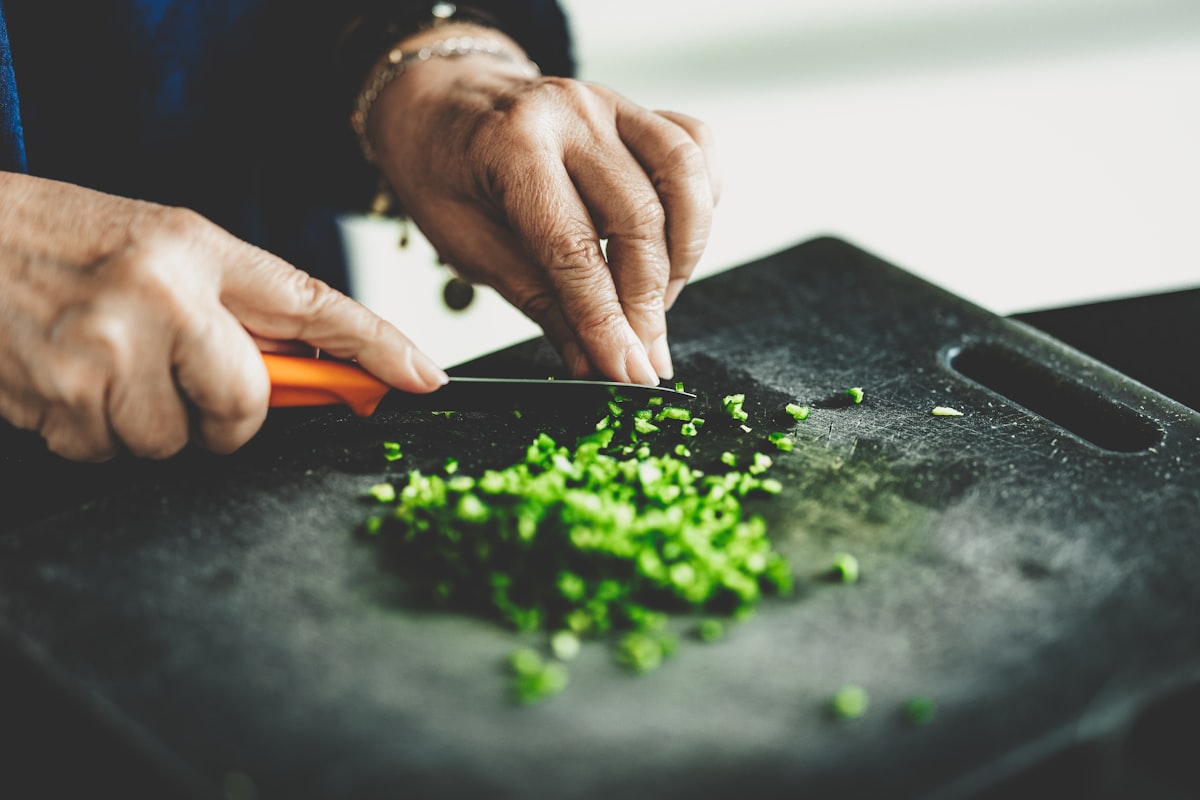
The information on this site is for educational purposes only and does not constitute medical advice. Always consult a qualified healthcare professional before making health decisions.
Six-Step Content Development Process
Every piece of content follows a structured workflow to guarantee accuracy, clarity, and practical utility.
Topic Selection & Brief
Our editorial team identifies topics based on reader interest, seasonal relevance, and gaps in existing healthy cooking guidance. Each topic receives a detailed brief covering scope, target audience, key messages, and preliminary research direction.
Primary & Secondary Research
Writers consult peer-reviewed journals, nutrition textbooks, government dietary guidelines, and established culinary references. We document all sources and cross-reference claims to ensure factual accuracy before drafting.
First Draft & Recipe Testing
Writers produce the initial manuscript, and all recipes are tested in our kitchen to verify technique, timing, ingredient measurements, and final results. We note variations and practical tips discovered during testing.
Editorial Review & Fact-Check
Our editorial team reviews content for clarity, tone, and consistency with brand voice. A dedicated fact-checker verifies all nutritional claims, cooking techniques, and sourced information against original references.
Quality Assurance & Formatting
Content is proofread for grammar and spelling. We ensure recipe steps are numbered, ingredient lists are clear, and instructions use accessible language. All images are optimised for web and captioned appropriately.
Publication & Ongoing Review
Content is published and monitored for reader feedback. Our team periodically revisits published articles to ensure information remains current, update outdated references, and incorporate new evidence as it emerges.
Quality Assurance Standards
Every article and recipe must meet these rigorous criteria before publication.
Editorial Checklist
- Source Attribution: All claims reference credible sources with publication dates clearly noted.
- Language Clarity: Content uses plain English avoiding jargon; technical terms are explained on first use.
- Recipe Accuracy: Ingredient ratios tested; cooking times verified; equipment needs clearly stated.
- Practical Relevance: Every tip or technique includes at least one concrete example or kitchen scenario.
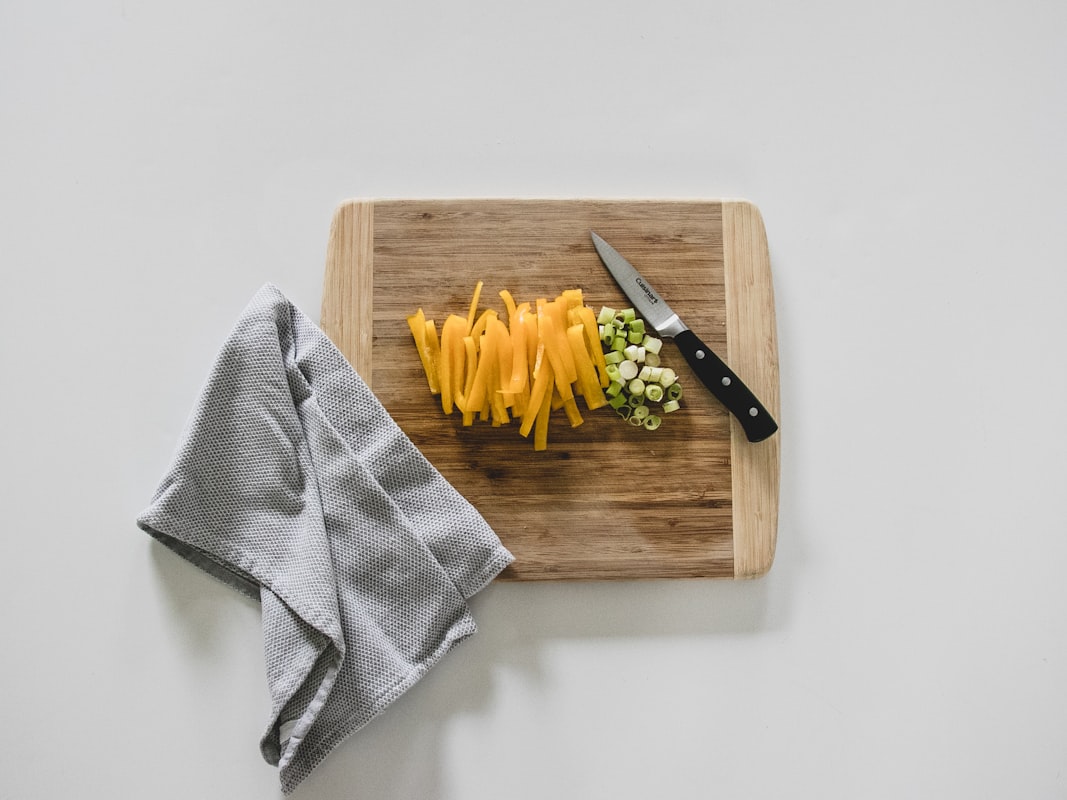
- Visual Quality: Photos are well-lit, in focus, and accurately represent the finished dish or technique.
- Inclusivity Check: Content acknowledges dietary preferences and suggests practical substitutions where relevant.
- No Overstated Claims: We avoid absolute statements; instead use evidence-based language.
Primary Sources & References
We draw from a curated selection of authoritative references to inform our content.
Government & Official Guidance
- • NHS Eat Well guidance
- • UK Government Food Standards Agency reports
- • British Nutrition Foundation resources
- • World Health Organisation dietary recommendations
Peer-Reviewed Research
- • PubMed Central indexed journals
- • Journal of the Academy of Nutrition and Dietetics
- • American Journal of Clinical Nutrition
- • Food Research International
Culinary & Food Science
- • On Food and Cooking (Harold McGee)
- • Professional culinary textbooks
- • Institute of Culinary Education resources
- • Food science journals and publications
Ingredient & Sustainability
- • The Sustainable Fish Institute
- • Organic certification bodies
- • Ingredient supplier documentation
- • Agricultural research publications
Sample Case Study: Whole Grain Cooking Guide
How one article was developed from brief to publication.
Topic Brief
Title: Complete Guide to Cooking Whole Grains: Technique, Nutrition, and Recipes
Scope: Explain the nutritional benefits of whole grains, provide step-by-step cooking instructions for six common varieties, and include three tested recipes.
Target Audience: Home cooks interested in plant-based nutrition and time-efficient meal prep.
Research Phase
Writer consulted: British Nutrition Foundation grain guidelines, five peer-reviewed studies on whole grain digestibility, and three professional cooking textbooks.
Documented sources: publication dates, author credentials, and key findings compiled in internal reference database.
Time invested: 6 hours of research, with all sources cross-referenced for consistency.
Kitchen Testing
All six grains prepared using three different water-to-grain ratios; cooking times recorded; texture assessed at each interval.
Three recipes tested twice each (different equipment, different batches) to verify consistency and identify technique variations.
Photography captured during cooking and plating; final dishes photographed with natural light, styled authentically.
Editorial & QA Review
First edit: Clarity, tone, and structure reviewed by senior editor.
Fact-check: Nutritional claims verified against original studies; cooking times cross-checked against published guidelines.
Final proofread: Grammar and formatting checked; all source links tested; images optimised.
Outcome
Published article: 2,800 words with 6 original photographs, 8 cited sources, 3 tested recipes, and step-by-step cooking instruction for each grain. The guide is regularly reviewed; most recent update (6 months after publication) added two reader-submitted substitution tips and refreshed one scientific reference.
Meet Our Editorial Team
Our writers and editors bring diverse expertise in nutrition, culinary arts, and food science.
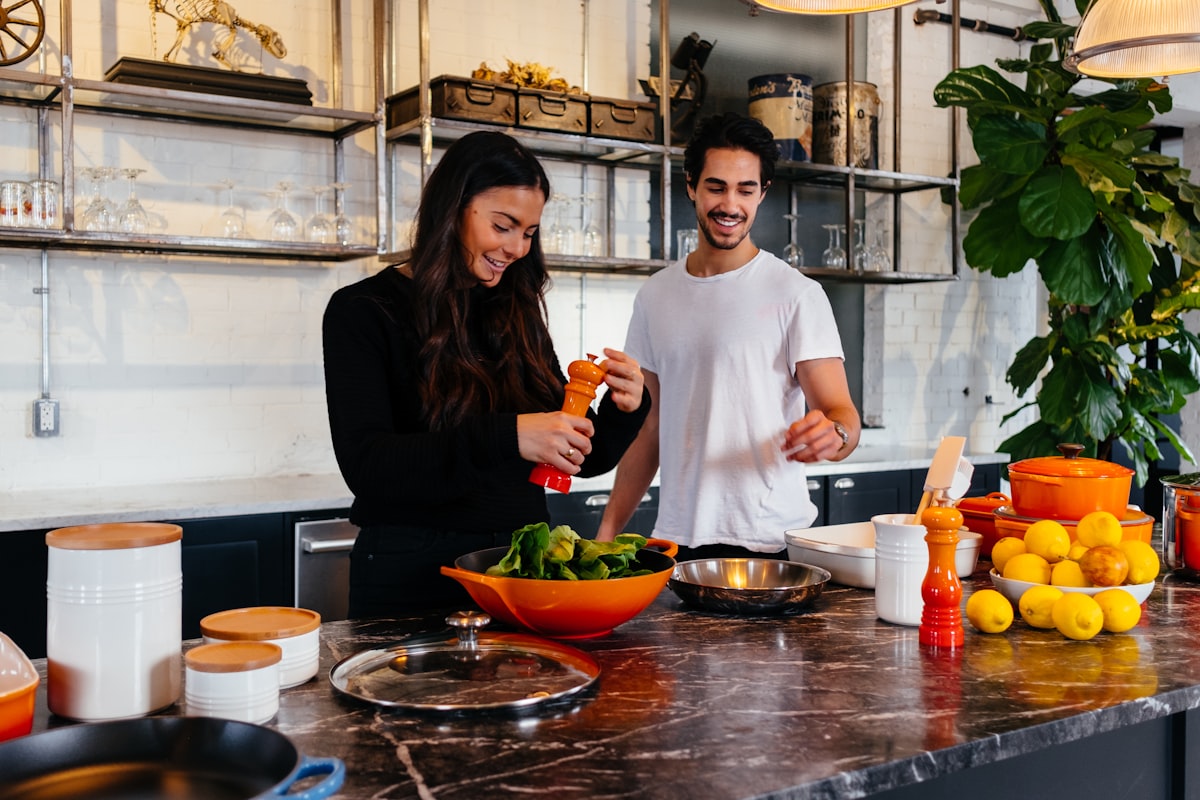
Sarah Mitchell
Senior Food Writer
Food journalist with 12 years of experience. Specialises in plant-based cooking and ingredient sustainability.
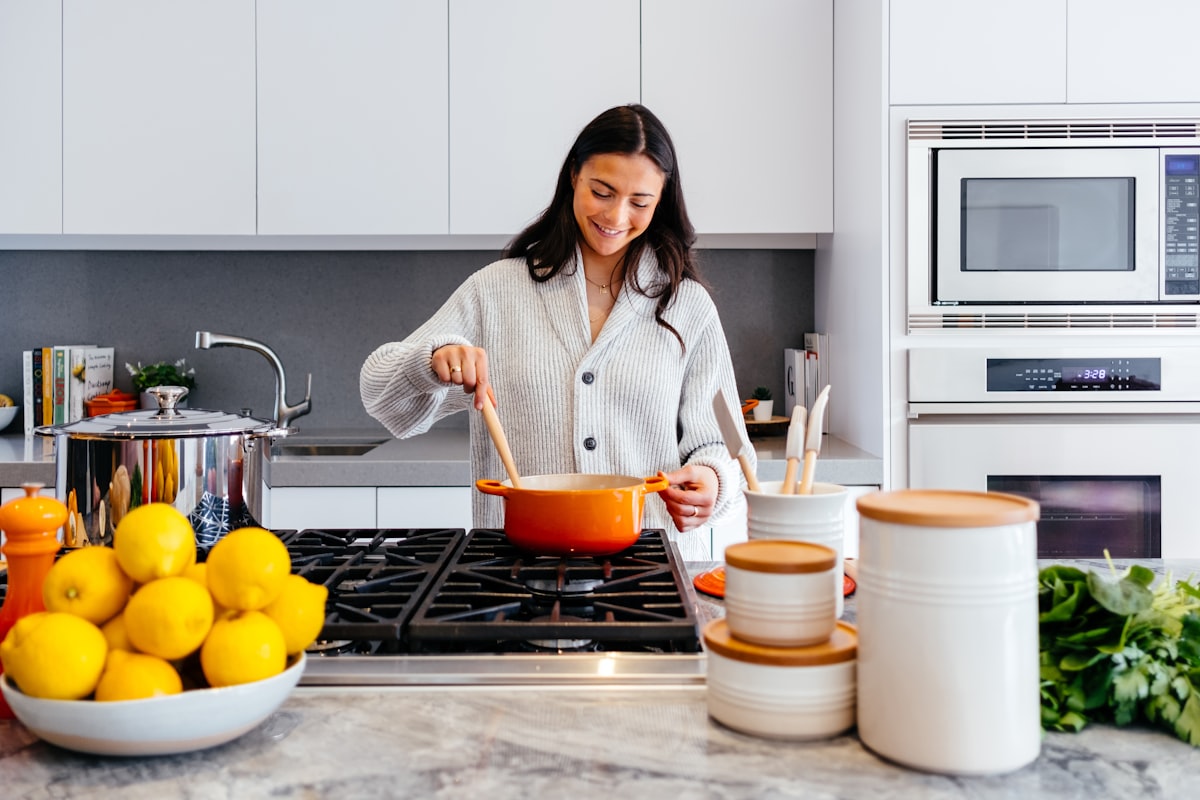
James Chen
Recipe Developer & Tester
Trained pastry chef and food scientist. Leads all recipe testing and kitchen methodology validation.
Emma Walsh
Nutrition Consultant
Research scientist with background in food and nutrition science. Oversees fact-checking and source verification.
Marcus O'Brien
Editorial Director
Editor and publishing professional. Manages editorial strategy, content calendar, and quality standards across the platform.
Lisa Rodriguez
Food Photographer
Specialises in natural light food photography and styling. Ensures all visual content meets professional standards.
Thomas Hughes
Copy Editor
Proofreader and style guide specialist. Ensures clarity, consistency, and accuracy across all published content.
Frequently Asked Questions
We review all published content at least once every twelve months. Articles are updated sooner if new scientific evidence emerges, reader feedback identifies inaccuracies, or ingredient availability changes significantly. Updates are tracked and dated so readers know when information was last verified.
Yes! We welcome reader suggestions. Contact our editorial team at [email protected] with topic ideas, recipe requests, or feedback on existing articles. Include a brief explanation of why the topic matters to you. We review all submissions and incorporate feasible suggestions into our future editorial calendar.
All nutritional claims are checked against peer-reviewed research, official government guidelines (such as NHS recommendations), and established food science references. Our nutrition consultant cross-references sources and verifies calculations. We always cite the original research and note when claims are based on current scientific consensus rather than absolute certainty.
At this time, Healthy Cooking Mastery focuses on providing free, high-quality recipes and cooking techniques through our website and resources. We do not offer personalized meal plans or one-on-one nutrition coaching directly. However, our recipes are designed to be flexible and adaptable to various dietary needs—whether you're vegetarian, vegan, gluten-free, or managing specific health conditions. We encourage you to consult with a registered dietitian for personalized nutrition advice tailored to your individual health goals.
Our recipes and content are provided for personal, non-commercial use. If you're interested in using our recipes or content for commercial purposes—such as in a restaurant, catering business, or published cookbook—please contact us for licensing information and permissions. We're open to partnerships and collaborations.
Ready to Transform Your Cooking?
Start exploring our collection of healthy, delicious recipes and proven cooking techniques today. Join thousands of home cooks mastering the art of nutritious meals.